

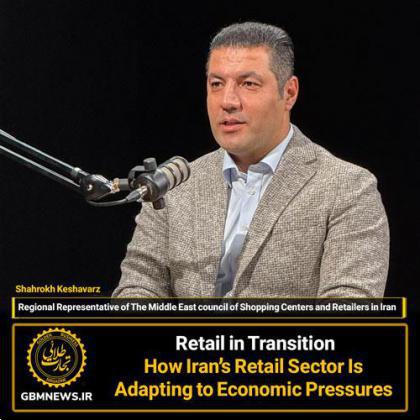
Retail in Transition
Written by Shahrokh Keshavarz | November 2025
As the year draws to a close and global markets prepare to enter 2026, it is an opportune time to assess the key developments that have shaped Iran’s retail landscape over the past two years. Marked by economic turbulence, rapid digital transformation, and evolving consumer behavior, the country’s retail sector stands at a pivotal juncture — facing both persistent challenges and emerging opportunities. Against this backdrop, this report provides an overview of the current status, main trends, and forward outlook for Iran’s retail industry.
Over the past two years, Iran’s microeconomy and retail network have been affected by a combination of currency shocks, declining consumer purchasing power, changing consumption patterns, and accelerated digitalization. At the same time, some sub-sectors (online sales, food, and entertainment) have experienced significant growth, while sectors such as apparel and cinema are facing structural challenges. The following sections analyze the current situation, root causes, and implications of each area.

- Growth of Businesses in the Digital Space (E-commerce and Network Trade)
In the past two years, e-commerce in Iran has grown rapidly and captured a significant share of the retail market. The widespread use of smartphones, increased internet access, and the development of online payment and delivery services have provided the foundation for the growth of this sector. At the same time, with the decline in purchasing power, consumers have become more inclined toward online shopping to compare prices and take advantage of discounts, and Instagram-based stores driven by the influence of bloggers and local platforms have experienced significant growth. Brands and physical stores, in order to maintain their market share, are forced to strengthen their digital channels and offer an integrated shopping experience. Small businesses, despite having the opportunity to be present in the online market, need to invest in digital marketing and logistics to remain competitive.
- Development of Shopping Centers
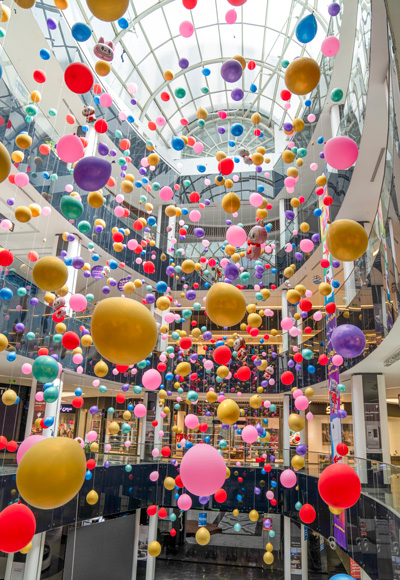
Around eight large shopping centers are currently being opened or completed in various cities across the country, indicating continued investor confidence in the urban retail market. However, in an inflationary environment with declining purchasing power, the success of these projects will only be guaranteed if they are designed around experience orientation. Centers that offer a balanced mix of stores and brands, food courts, entertainment, digital spaces, and attractive marketing campaigns have a better chance of attracting audiences. Focusing on F&B, entertainment, and collaboration with online brands through pop-ups or showrooms can help maintain customer traffic and occupancy rates while reducing vacancy risks.
- Fashion Brands and Financial Challenges
Iran’s apparel and fashion industry is facing financial difficulties, rising production costs, and supply chain disruptions, leaving many brands unable to expand or develop their sales networks. Currency fluctuations, a drop in effective demand, and limited access to capital have led to high production costs and low profit margins. As a result, some brands have reduced their operations and shifted toward customized production, limited releases, or online sales. Competition from low-cost domestic and imported goods has added further pressure on mid-range and luxury brands, slowing the development of this sector.
- Expansion of Hypermarkets and Discount Stores
In recent years, the rapid growth of large retail chains and discount centers has brought the market in many cities close to saturation. The decline in purchasing power has increased consumers’ preference for cheaper goods, intensifying price competition and margin pressure. Under such conditions, continued physical expansion without proper market research can reduce investment returns. Focusing on optimizing product mix, providing value-added services such as discount memberships and free delivery, and improving supply chain efficiency can replace quantitative growth and ensure sustainable profitability in this sector.
- Increased Use of BNPL Models to Strengthen Purchasing Power
The rise in the dollar exchange rate and the decline in real household income have prompted many brands to use the BNPL (Buy Now, Pay Later) model to sustain sales. This approach, by enabling installment purchases without immediate financial pressure, has helped maintain market demand and improve sales conversion rates. BNPL has also attracted new customers, increased buyer loyalty, and expanded shopping baskets, serving as an effective tool to stimulate sales during periods of recession.
- Sustainable Growth in the F&B Sector
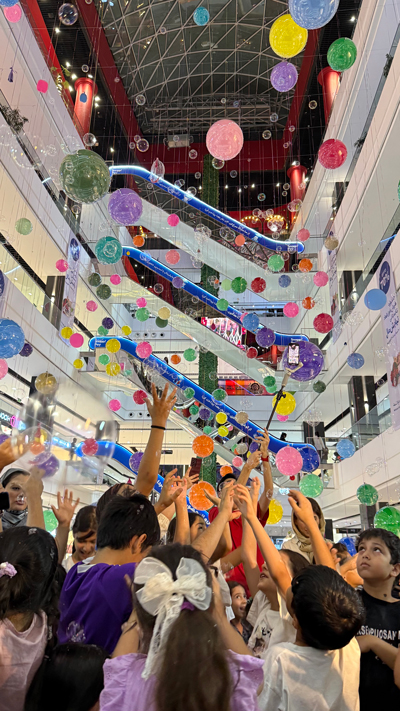
Over recent years, the food and beverage sector in Iran has been one of the most resilient areas of retail. Growing consumer interest—particularly among young people—in dining as a recreational experience and the increase in online food orders have maintained demand in this market. Restaurants, cafés, and food courts remain among the most popular parts of shopping centers, playing a key role in attracting visitors. Despite cost pressures, brands that have adopted economic menus, takeaway services, and innovative models such as cloud kitchens have managed to maintain or increase their market share.
- Boom in Entertainment Spaces and Game Centers
The entertainment sector—including indoor amusement parks, game centers, and virtual reality venues—has experienced significant growth in recent years and has become one of the main pillars of audience attraction in shopping centers. The shift in consumer preferences from product-based purchasing to experience-oriented activities, especially among families and young people, has fueled the expansion of this field. Developers of commercial centers can dramatically increase visitor numbers and dwell time by expanding entertainment spaces and combining them with F&B and live events.
- Decline of Cinemas and Pressure from VOD Platforms
Iranian cinemas have experienced declining or fluctuating box office sales in recent years, while a significant share of content consumption has shifted to domestic streaming platforms such as Filimo, Filmnet, and Namava. The improved quality of serial content, easy access to home entertainment, the convenience and lower subscription costs compared to cinema tickets, and the reduced production of major theatrical films that attract audiences are key reasons for this behavioral shift. To retain and regain audiences, cinemas need to offer distinctive experiences, including special screenings, live events, and premium services, as well as collaborate with VOD platforms for limited or simultaneous releases.
- Growth of Instagram Stores and Influencer Penetration
Stores that operate primarily or exclusively through Instagram have grown significantly, and many new brands are being launched directly by bloggers and social media influencers. Lower entry costs, rapid audience targeting, and consumer trust in influencer recommendations have made this business model attractive. Traditional brands must collaborate with influencers, standardize product quality and after-sales service, and strengthen their digital presence to maintain market share; otherwise, attracting and retaining customers will become increasingly difficult.
- Rising Dollar Rates and Declining Purchasing Power
The depreciation of the Iranian Rial (IRR) and ongoing currency fluctuations have placed significant pressure on household purchasing power, driving consumers toward lower-priced and discount-oriented goods. This situation has reduced demand for non-essential products, heightened price sensitivity, and increased import costs for raw materials and equipment used by domestic producers, leading to a noticeable shift in consumption patterns.

- Recessionary Effects and Geopolitical Tensions
The impacts of economic recession and geopolitical tensions remain evident across Iran’s economy, shaping investment risk and overall market demand. Under these circumstances, consumers tend to act more cautiously, investment levels decline, and market share increasingly shifts toward low-cost operators and discount retailers.
Summary and the Path Ahead for Iran’s Retail Market
In conclusion, the Iranian retail market in recent years has faced challenges such as declining purchasing power, currency fluctuations, financial constraints among brands, and economic recession. At the same time, the growth of online commerce, Instagram-based stores, and experience-oriented trends in shopping centers, F&B, and entertainment spaces have created new opportunities. Physical retail developments must focus on customer experience, leisure, and F&B, while brands need to combine traditional and digital sales and collaborate with influencers to maintain market share. Discount stores and hypermarkets are nearing saturation, making efficiency and value-added services crucial. Financial tools such as BNPL can stimulate demand, while cinemas and digital entertainment must offer premium experiences and collaborate with VOD platforms to attract audiences. Overall, success in this market depends on rebuilding business models around the customer, targeted investment in digital and experiential strategies, income diversification, and prudent financial risk management, with substantial opportunities still available for brands and investors.

.jpg)